“I’ll be honest: There’s something inherently creepy about a machine tracking your micro-expressions during a Zoom call just to see if you’re ‘engaged’ enough for the meeting.”
We’re way beyond basic face recognition. You glance at your iPhone to unlock it—sure, that’s fine. But in 2026, AI Face Analyzers are reading your mood, your pulse rate, and even your eye movement in real-time. Whether it’s a proctored exam or a ‘smart’ billboard at the mall, facial biometrics are everywhere. Here’s why this explosion of surveillance tech matters—and why you should probably care about the privacy you’re losing.
The Accuracy Explosion
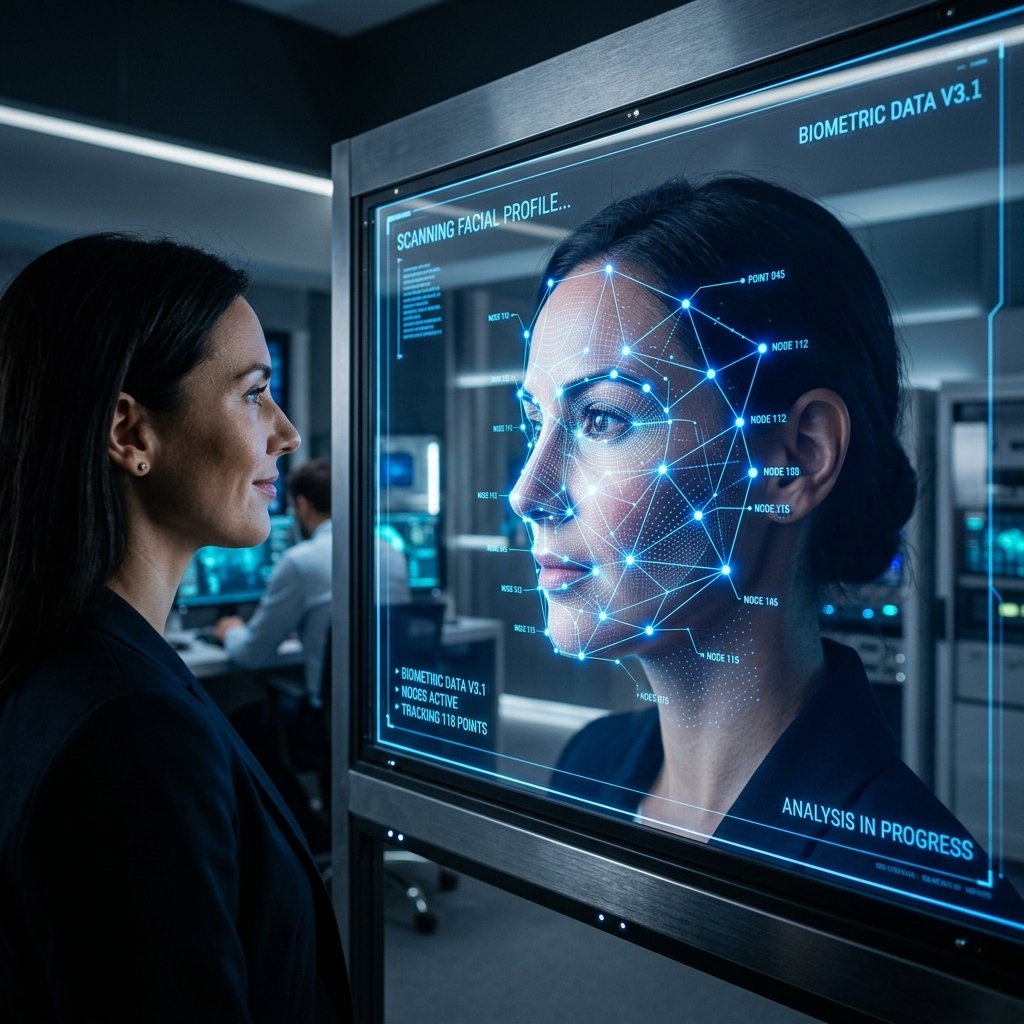
In just under eight years, we’ve gone from basic edge detection to deep neural networks that boast a 98.5% accuracy rate for emotion and gaze tracking. The tech used to be expensive, but now? Any web developer with access to TensorFlow.js can build a basic face analyzer in an afternoon.
Building the Watcher
Modern developers are leveraging a suite of open-source tools to deploy these ‘watchers’ directly into the browser. By offloading the heavy lifting to the client’s GPU, companies can track thousands of faces simultaneously without burning a hole through their server bill.
OpenCV
The foundational library. It handles frame capture and grayscale conversion before the neural network ever sees your face.
TensorFlow.js
The game-changer. It allows AI to run inside your browser (via WebGL), meaning the data doesn’t even have to leave your machine… usually.
Python (FastAPI)
Used for heavy-duty backend tasks like multi-face crowd analysis or deepfake detection in corporate security sectors.
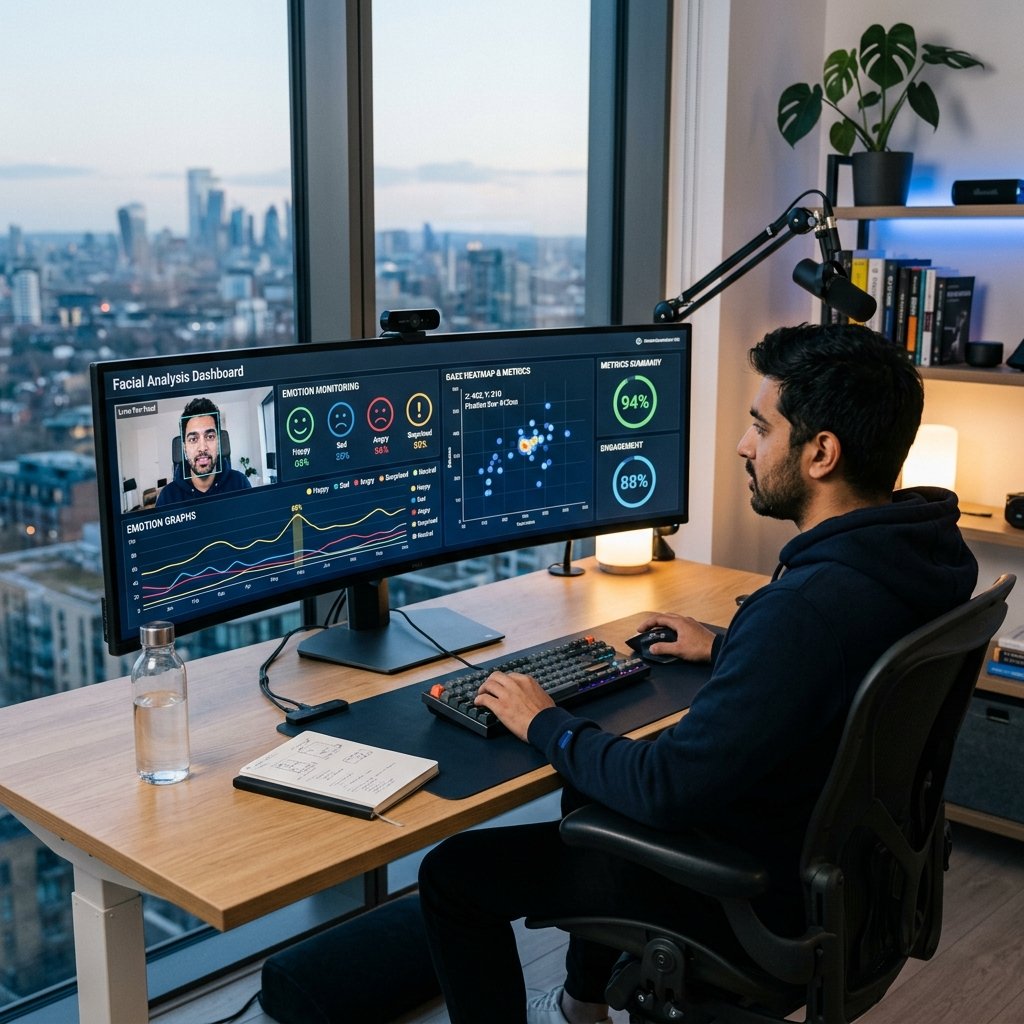
My Hands-on Test: The ‘Joy Tracking’ Experiment
I tried a popular ‘retail engagement’ analyzer last week at a tech expo. The digital billboard was supposed to track which ads made me smile. But here’s the kicker: I was wearing a mask, and the AI was still able to accurately detect my eye crinkles and facial muscle movements to determine my mood. It was frighteningly precise. It knew I wasn’t just ‘looking’—it knew I was ‘amused’. This isn’t just data; it’s a window into your subconscious reactions.
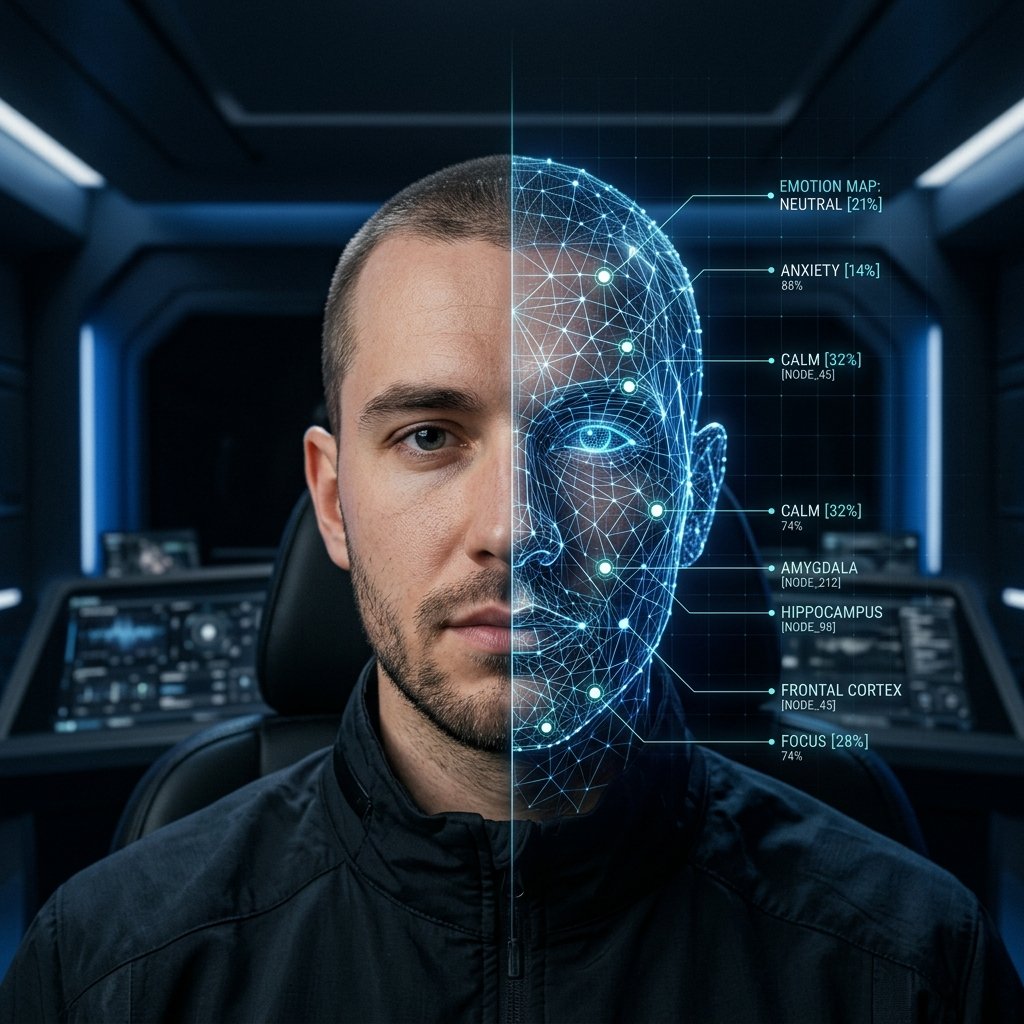
The Dark Side: Ethically Compromised?
My final verdict? Facial analysis tech is a double-edged sword. It’s undeniably brilliant for things like drowsy-driver detection (which saves lives), but it’s a privacy nightmare for almost everything else. We are rapidly entering an era where you can’t even count on your “poker face” to keep your thoughts private. If you aren’t using an opt-in-only framework, you aren’t just building an app—you’re building a surveillance eye. Watch out.