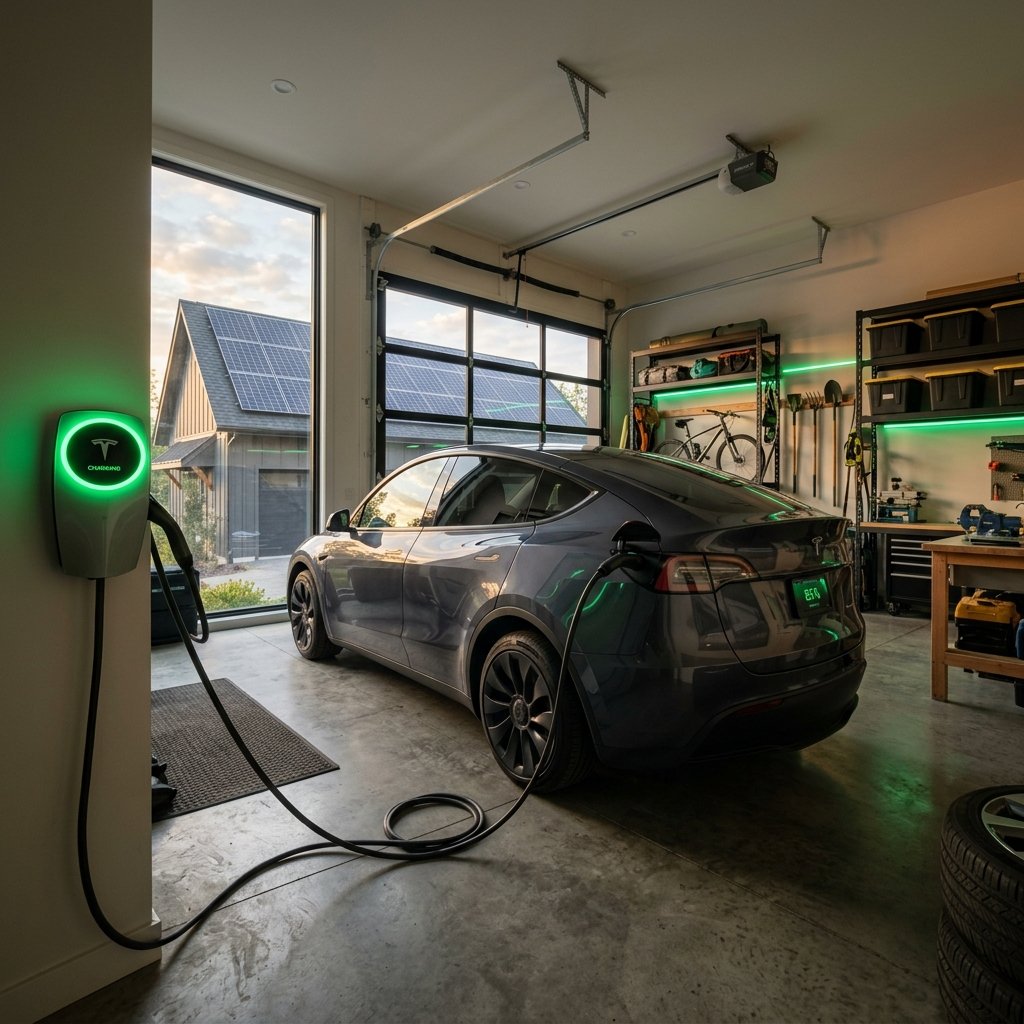
“We’ve all heard the pitch: ‘Buy an EV, and you’ll never spend another cent on petrol.’ While that’s technically true, the math behind EV ownership is way messier than most dealers want to admit.”
In 2026, the ‘sticker shock’ is still a real thing. You’re usually paying a 20-30% premium upfront just to get the keys to an electric SUV. Is the ‘long game’ actually worth it? I’ve spent the last month crunching the data on maintenance, insurance, and the one hidden trap that can double your electricity bill. Let’s get into the brutal reality of EV finance.
5-Year Running Cost: Petrol vs. Electric
The 4 Pillars of the EV Wallet
Fuel Savings
If you charge at home, you’re looking at 70-80% cheaper running costs compared to petrol. It’s the biggest win by far.
Maintenance
No oil, no spark plugs, no exhaust. Regenerative braking even saves your brake pads. Routine care is essentially just tire rotations.
Insurance Trap
EV insurance is usually 15-25% more expensive because repairing high-tech sensors and batteries requires specialized labor.
Depreciation
While historically bad, EV resale values are finally stabilizing as 8-year battery warranties become the industry standard.
My Personal Verdict
If you drive more than 50km a day and can plug in at home? Go for it. The math works out in your favor within 3 years. But here’s the kicker: If you rely exclusively on public DC Fast Chargers, you are throwing money away. Public networks are charging near-petrol rates, which effectively kills the financial incentive of going green. Don’t buy the car if you don’t have a plan for the plug.