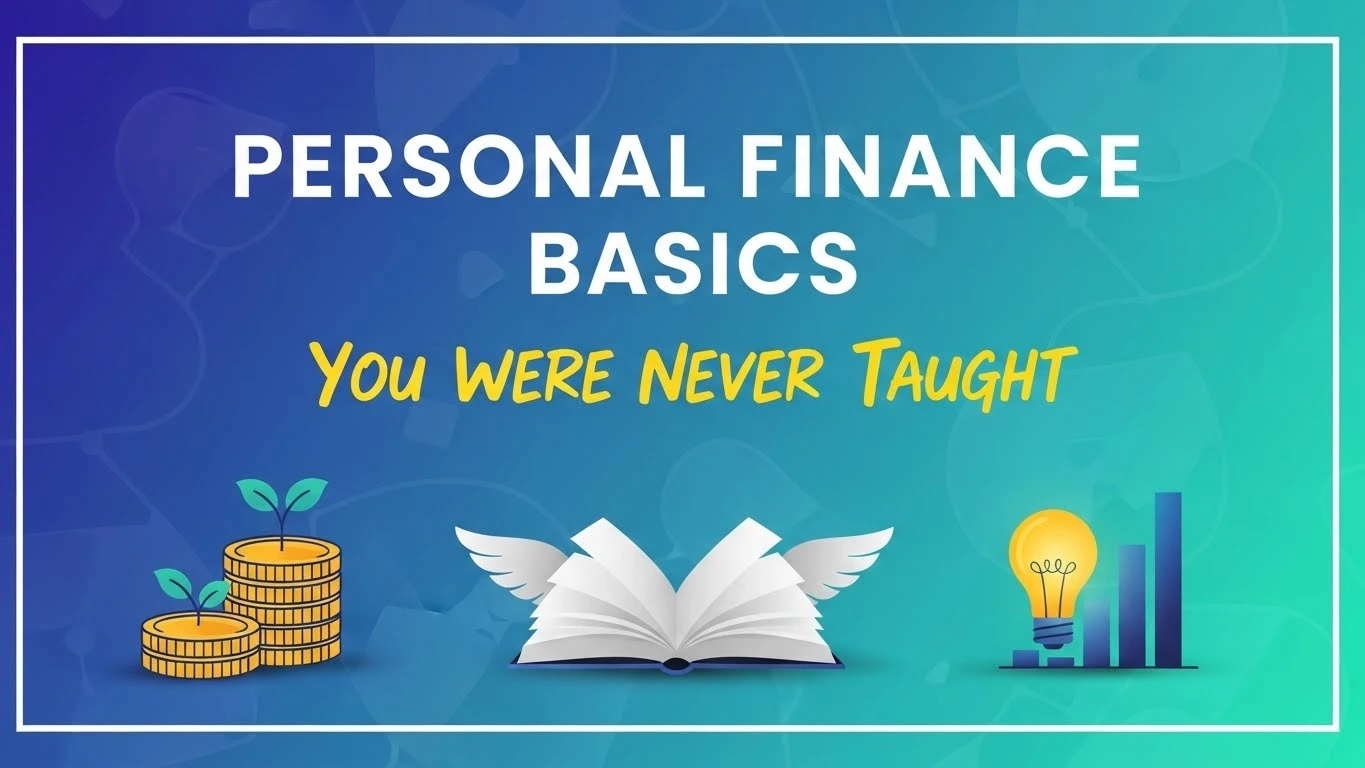
Money is emotional. It is stressful. And for many of us, it is a source of shame. We often feel like everyone else has a secret manual that we never received.
The truth? Most people are winging it. But you don’t have to.
Personal finance isn’t just about math; it is about psychology and behavior. It is about setting up systems so you don’t have to rely on willpower every single day. Here is a deep dive into the fundamental pillars of financial health, broken down into actionable steps.
1. The Budget: Your Financial Roadmap
If you view a budget as a punishment, you will never stick to it. Instead, view a budget as permission to spend. It is simply a plan for your money before the month begins.
The Strategy: The 50/30/20 Rule
This is the gold standard for a reason—it is flexible.
- 50% Needs (The Essentials):
- What goes here: Rent/Mortgage, groceries (not dining out), utilities, insurance, minimum debt payments, and transportation.
- The Trap: Many people accidentally put “wants” in this bucket. Netflix is not a utility. High-speed fiber internet might be a need for work, but the premium cable package is likely a want.
- 30% Wants (The Fun Stuff):
- What goes here: Dining out, entertainment, hobbies, travel, shopping.
- Why this matters: If you cut this to 0%, you will burn out and “binge spend” later. You need to enjoy life now, not just in retirement.
- 20% Financial Goals (The Future):
- What goes here: Savings, investments, and extra debt payments (anything above the minimum).
Pro Tip: “Pay Yourself First”
Don’t save what is left after spending. Spend what is left after saving. Set up an automatic transfer on payday that moves your 20% into savings immediately. You can’t spend money you don’t see.
2. The Emergency Fund: Your Panic Button
Most financial disasters aren’t disasters because of the event itself; they are disasters because of the timing. An emergency fund turns a crisis into a mere inconvenience.
Phase 1: The “Starter” Fund
- Goal: $1,000 to $2,000.
- Why: This covers the tire blowout, the minor ER visit, or the broken fridge.
- Action: Keep this in a separate bank account so you don’t accidentally spend it on pizza.
Phase 2: The “Sleep Well” Fund
- Goal: 3 to 6 months of necessary expenses (the “50%” from your budget).
- Where to keep it: High-Yield Savings Account (HYSA).
- Standard Bank: Pays you 0.01% interest. (You earn pennies).
- HYSA: Pays you 4-5% interest (depending on current rates). You could earn hundreds of dollars a year just for letting your money sit there. It is risk-free and accessible.
3. Debt Management: attacking the Enemy
Consumer debt (credit cards, personal loans) is a fire in your financial house. It destroys wealth through compound interest working against you.
Strategy A: The Debt Snowball
- How: List debts from smallest balance to largest. Pay minimums on everything, but throw every spare dollar at the smallest one.
- Why: When you knock out that $300 medical bill, you get a dopamine hit. You feel like you are winning. That momentum carries you to the next debt.
Strategy B: The Debt Avalanche
- How: List debts from highest interest rate to lowest. Attack the one with the highest rate (usually credit cards) first.
- Why: This saves you the most money in interest over the long run, but it requires more discipline because it might take months to see a balance hit zero.
Crucial Step: You must stop adding to the debt while paying it off. Cut up the cards or freeze them in a block of ice (literally) if you have to.
4. Investing: How to Get Rich Slowly
Saving is putting money aside for a goal (like a vacation). Investing is putting money to work so it grows.
The Magic of Compound Interest
Ideally, your money should make more money than you do at your job.
- Scenario: If you invest $500/month into the stock market (averaging 8% returns) starting at age 25, you could have over $1.7 million by age 65.
- The Cost of Waiting: If you wait until age 35 to start doing the exact same thing, you’d have only about $750,000. That 10-year delay cost you a million dollars.
The “I Don’t Know How to Pick Stocks” Solution
Good news: You shouldn’t pick individual stocks. It’s risky and stressful.
- Index Funds / ETFs: These are baskets of stocks. Instead of buying just Apple or just Amazon, you buy a tiny piece of the entire S&P 500 (the 500 biggest companies in the US). If the economy grows, your money grows.
- Employer Match: If your job offers a 401(k) match, take it. If you put in 3% and they put in 3%, that is an immediate 100% return on your money. Never leave this on the table.
5. Credit Scores: The Adult Report Card
Your FICO score (ranging from 300 to 850) tells lenders how risky it is to lend you money.
The Factors That Matter Most
- Payment History (35%): deeply important. One missed payment (30 days late) can tank your score by 50-100 points. Set up auto-pay for minimums so you never miss a deadline.
- Credit Utilization (30%): This is how much credit you use vs. how much you have.
- Example: If you have a $10,000 limit and you spend $9,000, you look risky (90% utilization).
- The Sweet Spot: Try to keep your balance below 30% ($3,000 in this example). Below 10% is even better.
- Length of History (15%): Don’t close your oldest credit card even if you don’t use it. The age of that account helps your score.
Summary Checklist
If you are overwhelmed, just do these three things this week:
- Open a High-Yield Savings Account and put $50 in it.
- Audit your last 30 days of spending to see where your money is actually going.
- Check your credit report (it’s free) to ensure there are no errors.