PM Modi three nation tour : Modi visits Jordan, Ethiopia, Oman Dec 15-18. CEPA trade deal with Oman. Defense partnerships, energy cooperation. India’s Global South strategy explained.
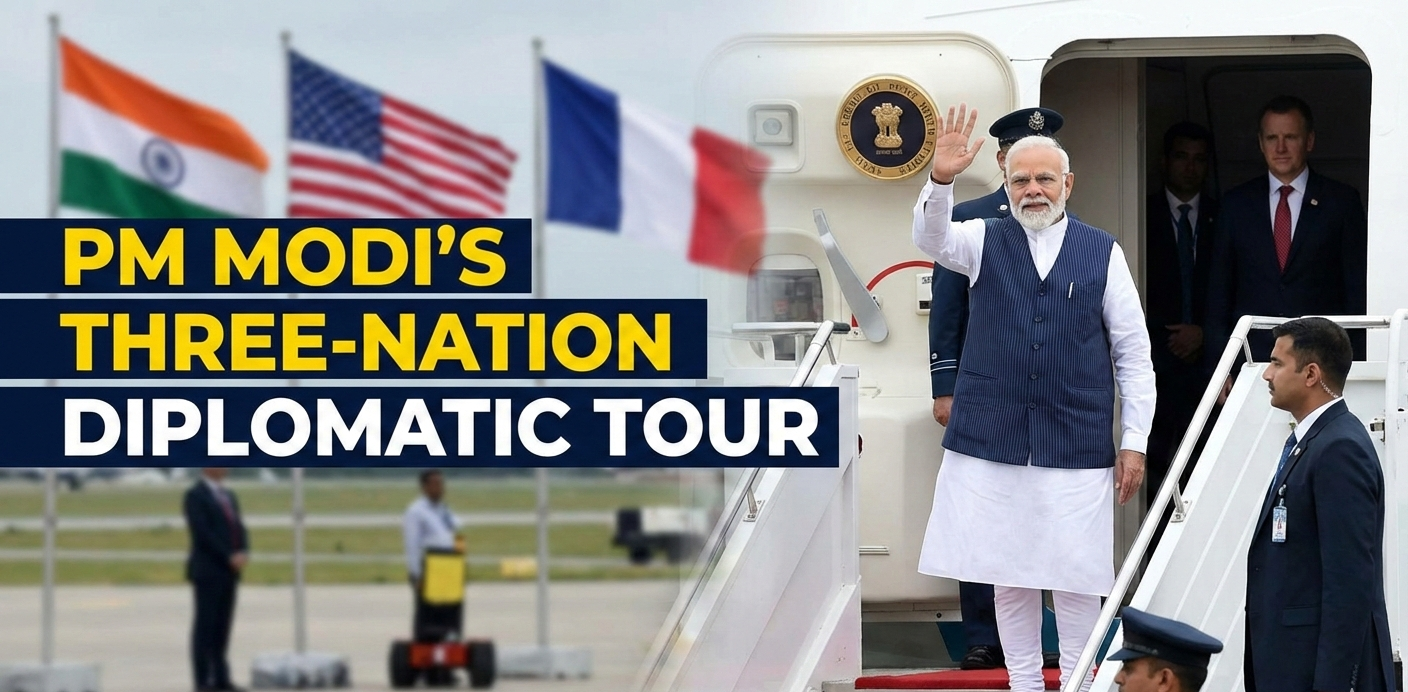
Prime Minister Narendra Modi is on a four-day trip to Jordan, Ethiopia, and Oman (December 15-18, 2025). This tour is important. India wants to build stronger friendships with these countries in West Asia and Africa.
Why does this matter? India needs to be a leader in the Global South. India also needs to secure energy sources. The world is changing. Global trade routes are shifting. India must adapt.
Each country on this tour has a different purpose. Jordan helps India stay stable in West Asia. Ethiopia helps India connect with Africa. Oman helps India with energy and trade.
India has two main strategies. First is the “Link West Policy.” This means getting closer to Middle Eastern countries. Second is the “Africa Initiative.” This means working more with African nations.
Jordan (December 15-16): 75 Years of Friendship
The Significance
Modi’s visit to Jordan marks 75 years of diplomatic relations between India and the Hashemite Kingdom. Notably, the visit comes at the invitation of King Abdullah II ibn Al Hussein, emphasizing the importance both nations place on their partnership.
Clearly, Jordan holds strategic importance for India as a gateway to West Asia. In fact, amid tensions in the region, Jordan’s role as a stable, moderate Arab nation makes it crucial for India’s regional diplomacy. Therefore, strengthening ties with Jordan is essential for India’s broader Middle Eastern strategy.
Key Focus Areas
Bilateral Relations: Modi will review the entire spectrum of India-Jordan ties with King Abdullah II, covering defense, security, trade, and cultural cooperation. Additionally, both nations will explore new avenues for collaboration.
Regional Peace: Both leaders will exchange perspectives on Middle Eastern stability, Palestinian-Israeli tensions, and counter-terrorism cooperation. In particular, addressing regional security challenges will be a priority.
Defense & Security: India and Jordan are expected to discuss defense partnerships, particularly given India’s growing security concerns and regional dynamics. Moreover, intelligence sharing and military cooperation will likely feature prominently.
Trade & Investment: Expanding economic collaboration, with focus on energy, agriculture, and technology sectors. Similarly, both nations aim to increase bilateral trade in the coming years.
People-to-People: The large Indian diaspora in Jordan and the broader Middle East will be discussed. Certainly, maintaining cultural ties strengthens the broader relationship.
Ethiopia (December 16-17): Historic First Visit
Why Ethiopia Matters
This is Modi’s first-ever visit to Ethiopia, marking a significant milestone in India-Ethiopia relations. Undoubtedly, Ethiopia is the seat of the African Union and one of Africa’s fastest-growing economies, making it strategically vital for India’s Africa outreach.
Importantly, India and Ethiopia share centuries-old historical ties. In fact, Ethiopia was never colonized (except for brief Italian occupation), giving it a unique position in Africa. Therefore, both nations are partners in the Global South, united by shared interests in opposing unilateral global orders.
Expected Outcomes
Parliamentary Address: Modi will address the Ethiopian Parliament, amplifying India’s message about cooperation and development to the broader African continent. Consequently, this speech will underscore India’s commitment to African partnership.
Memoranda of Understanding (MoUs): Expected to be signed in areas like:
- Education and capacity building
- Technology and digital cooperation
- Trade and investment
- Agricultural development
Furthermore, these agreements will facilitate long-term cooperation between the two nations.
Bilateral Discussions: With Prime Minister Abiy Ahmed Ali covering trade, development assistance, regional cooperation, and technology transfer. Additionally, both leaders will discuss expanding defense and security ties.
African Union Engagement: Modi will likely meet with African Union officials, reinforcing India’s commitment to the continent. Moreover, this engagement highlights India’s role as a stakeholder in African development.
Oman (December 17-18): Energy & Trade Partnership
Strategic Importance
This is Modi’s second visit to Oman and marks 70 years of diplomatic relations. Clearly, Oman is crucial for India because:
- Energy Security: Major oil and gas supplier to India
- Trade Hub: Gateway to the Arabian Gulf region
- Geopolitical Location: Strategic position between Iran and Saudi Arabia
- Cultural Ties: Large Indian diaspora (over 800,000 Indians in Oman)
Therefore, strengthening the India-Oman relationship is vital for India’s regional stability and economic growth.
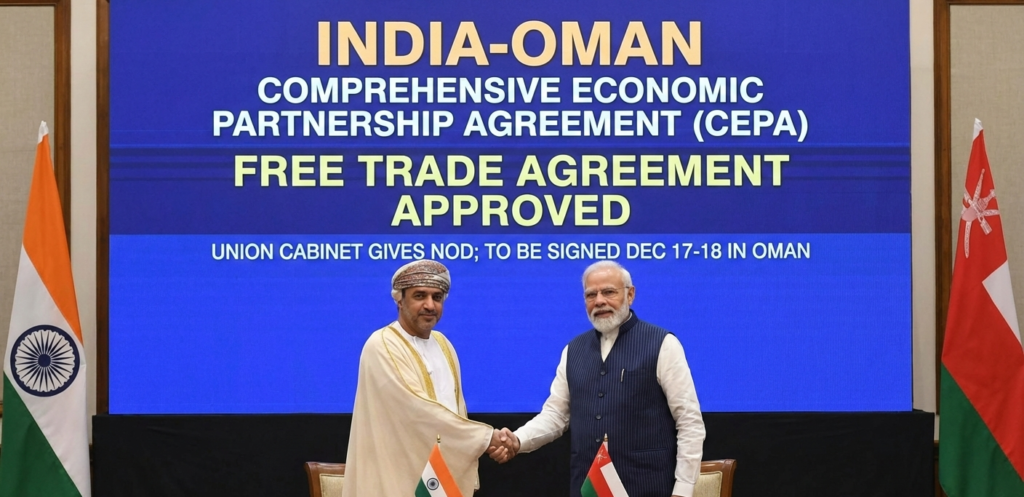
Major Announcement: Free Trade Agreement
The Union Cabinet approved the Comprehensive Economic Partnership Agreement (CEPA) between India and Oman just before Modi’s visit. Importantly, this is expected to be formally signed during the December 17-18 visit.
What CEPA Means:
- Reduced tariffs on Indian goods entering Oman
- Increased market access for both nations
- Enhanced investment opportunities
- Lower trade barriers across multiple sectors
Furthermore, this agreement will boost bilateral commerce significantly.
Expected Benefits:
- Boost bilateral trade (currently $10+ billion annually)
- Strengthen defense and security ties
- Energy cooperation expansion
- Technology and agricultural partnerships
As a result, both nations will experience substantial economic growth.
Key Discussion Points
Defense & Security: Review strategic partnership, maritime cooperation, and counter-terrorism efforts. Additionally, defense manufacturing partnerships will be explored.
Energy: Oil, natural gas, and renewable energy collaboration (Oman has significant solar potential). Moreover, both nations will discuss long-term energy security arrangements.
Technology: Digital transformation, IT services, space cooperation. Similarly, innovation partnerships will be strengthened.
Defense Manufacturing: Discussion on potential defense contracts and manufacturing partnerships. Consequently, this could create significant employment opportunities.
The Broader Context: India’s Global South Strategy
“Link West” Policy
Modi’s West Asia tour reflects India’s “Link West Policy”—a strategic framework to deepen engagement with Middle Eastern nations on trade, security, energy, and culture. Clearly, this balances India’s traditional focus on the East with growing West Asian interests. In other words, India is pursuing a multi-directional foreign policy.
“Africa Initiative”
Alongside West Asia engagement, Modi’s Ethiopia visit reinforces India’s comprehensive Africa strategy, recognizing the continent’s economic potential and strategic importance. Moreover, this demonstrates India’s commitment to long-term African development. Therefore, Africa remains central to India’s Global South outreach.
Geopolitical Timing
The tour occurs as:
- Global supply chains are being restructured
- Energy markets face volatility (Middle East tensions)
- African nations seek development partnerships
- India seeks to reduce dependence on traditional allies
Significantly, these factors make Modi’s diplomatic push timely and strategic. In particular, positioning India as an alternative partner is crucial.
Key Outcomes Expected
Trade Expansion: CEPA with Oman, potential trade agreements with Jordan and Ethiopia. Consequently, bilateral commerce will increase substantially.
Defense Cooperation: Enhanced security partnerships across all three nations. Furthermore, intelligence and military ties will deepen.
Energy Security: Solidified oil and gas cooperation with Oman and Jordan. Therefore, India’s energy security will be strengthened.
Development Assistance: Continued support for Ethiopian economic development. Moreover, India will share technological expertise.
Technology Transfer: Sharing India’s IT and digital expertise with partner nations. Importantly, this creates mutual benefits.
Regional Stability: Affirming India’s commitment to peace and stability in West Asia and Africa. As a result, India positions itself as a responsible global actor.
What This Means for India
Strengthened Position: India positions itself as a responsible stakeholder in global South cooperation, not just a follower of Western powers. Therefore, India’s diplomatic influence increases significantly.
Economic Growth: Expanded trade and investment opportunities create new revenue streams. Moreover, this benefits multiple sectors of the Indian economy.
Energy Security: Secure energy partnerships crucial for India’s growing economy. Undoubtedly, this addresses India’s critical infrastructure needs.
Diplomatic Influence: Deeper ties with key regional players enhance India’s voice in global affairs. Consequently, India becomes a more influential geopolitical actor.
Counter-Terrorism: Collaborative security efforts address shared threats. Furthermore, intelligence sharing strengthens regional security.
Conclusion
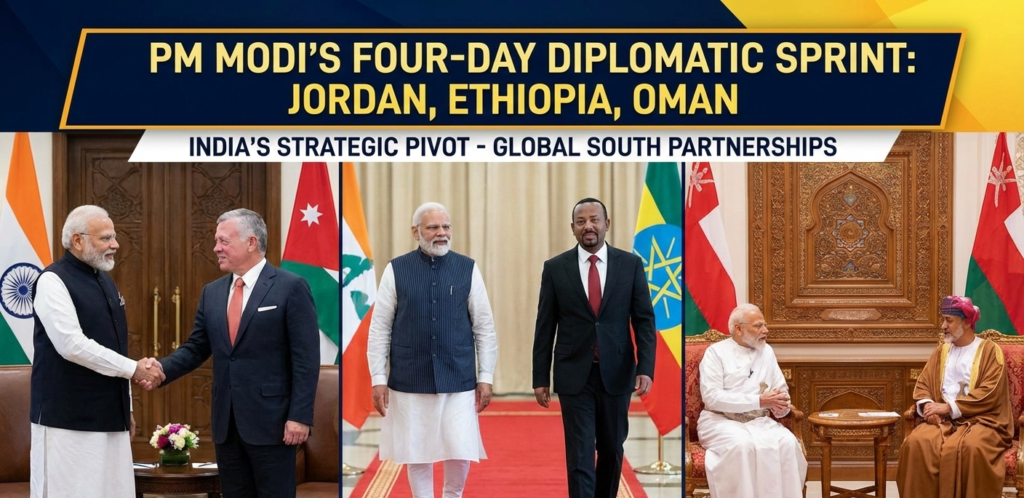
PM Modi’s four-day diplomatic sprint across Jordan, Ethiopia, and Oman represents India’s strategic pivot—balancing West Asia’s energy and security needs with Africa’s economic potential. Significantly, the tour highlights India’s commitment to the Global South, independent foreign policy, and pragmatic partnerships.
Moreover, as geopolitical tensions rise and traditional alignments shift, India’s engagement with these three nations—a Middle Eastern gateway, an African power, and an energy partner—positions India as a bridge between regions and a leader among emerging economies. Therefore, the diplomatic moves, trade agreements, and strategic discussions during these four days will shape India’s foreign policy trajectory for years to come.
In essence, this tour demonstrates India’s vision of becoming a truly global power with influence across multiple regions and continents.