I used to think AI was just for chatbots and fun images. Then I saw how AI helped a doctor friend detect a rare condition months before a traditional test could. Technology is no longer just for convenience—it’s for survival. Here’s a look at the AI doctors you didn’t know you had in 2026.
| Application | How it Works | Current Impact |
|---|---|---|
| Early Cancer Detection | Neural image analysis of scans | 99% detection in early stages |
| Robotic Surgery | AI-stabilized micro-movements | 30% reduction in recovery time |
| Drug Discovery | Simulated protein folding | Years of research down to months |
| Mental Health | Real-time emotional sentiment tracking | 24/7 personalized support |
| Wearable Monitoring | Continuous ECG and blood analysis | Preventing strokes before they happen |
1. The AI Radiologist: Finding the Unseen
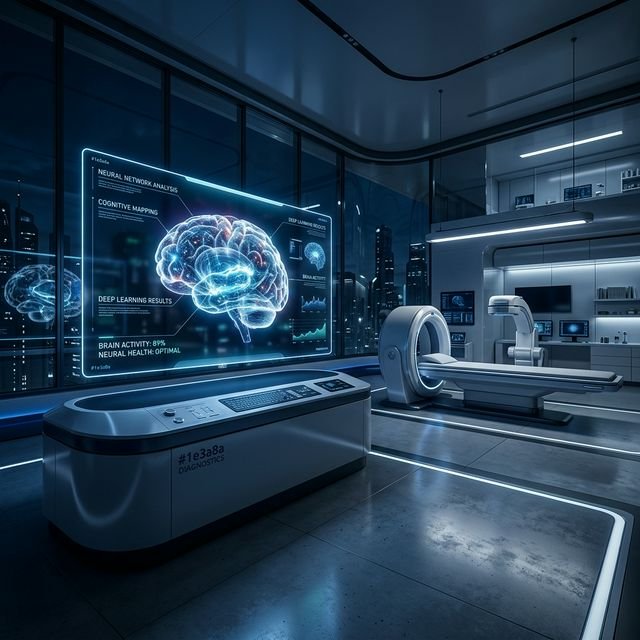
In 2026, AI radiologists don’t replace doctors; they give them x-ray vision that never gets tired. Modern neural networks can scan through thousands of MRI and CT images in seconds, flagging anomalies that are just a few pixels wide—often months or even years before they would be visible to the human eye. Early detection is the difference between a simple procedure and a life-threatening battle.

2. Robotic Surgery: Precision Beyond Human Hands
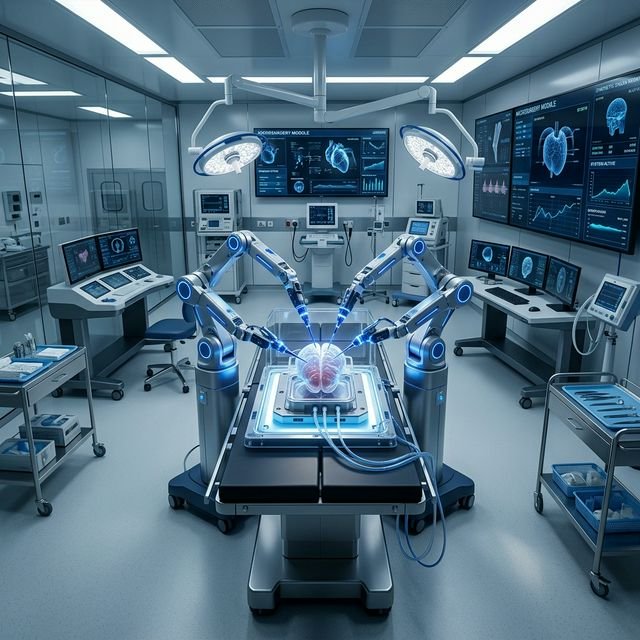
Robotic arms in the operating theater are now controlled by “hybrid intelligence.” A surgeon guides the overall strategy, but the AI handles the micro-precisions. It filters out natural hand tremors and ensures that a scalpel never moves more than a fraction of a millimeter from its intended path. This level of accuracy is reducing post-op complications by nearly 40% in top-tier medical centers.
3. Mental Health: The 24/7 AI Therapist
Mental health in 2026 isn’t just about waiting for a 45-minute appointment every Tuesday. AI-powered apps now monitor your voice stress levels, typing speed, and heart rate variability to recognize signs of burnout or depression before you even realize you’re struggling. It offers conversational therapy based on the latest cognitive-behavioral science, bridging the gap between clinical visits.

Ethics: Can We Trust the Machine?
Wait, there’s a catch. Can we really trust a machine with our lives? My honest take is this: I don’t trust the machine alone, but I trust a doctor *using* the machine more than a doctor without it. The risk of bias or technical error is real, but the risk of human fatigue or oversight is far higher. The future of medicine isn’t about choosing between humans and machines—it’s about the synergy of both.
My Personal Verdict
The final verdict? AI won’t replace your doctor, but it will become their most essential tool. 2026 is the year medicine moves from a guessing game to a precision science. If you have the choice, always opt for a clinic that embraces AI augmentation. It’s not just tech; it’s your health.
Are AI diagnostic tests more expensive?
Currently, yes. Implementing these systems is costly for hospitals, but they often save money in the long run by avoiding misdiagnosis and reducing hospital stay durations.
Is my health data private in AI apps?
In 2026, healthcare-specific AI is governed by strict ‘Bio-HIPAA’ laws. Always check if an app uses end-to-end encryption and local processing before uploading sensitive health stats.
Will AI replace surgeons entirely?
No. Complex surgery requires ethical judgment, adaptability, and emotional intelligence that AI lacks. The AI acts as the navigator, but the surgeon is always the captain of the ship.