The petrol pump is becoming a museum. In 2026, the transition to Electric Vehicles (EVs) has ceased to be a debate about the environment and has become a cold, hard calculation of economic survival and technological superiority. From the silent roar of the Tata Sierra EV to the mass-market disruption of the Honda Activa Electric, India is skipping the hybrid phase and jumping straight into a solid-state future. This is the only handbook you need to understand the new road regime.
| Metric | Petrol (ICE) | Electric (EV 2026) | The Winner |
|---|---|---|---|
| Fuel Cost/km | ₹8.50 – ₹11.00 | ₹0.70 – ₹1.10 | EV (10x Cheaper) |
| Service Interval | 10,000 km | 50,000 km | EV (Maintenance-free) |
| Resale Value | Dropping 20% YoY | Stable/Rising | EV (High Demand) |
| 0-60 km/h | 6-8 Seconds | 3-4 Seconds | EV (Instant Torque) |
The Great Tipping Point: Why 2026 Changes Everything
For a decade, the “Early Adopter” phase kept EVs in the hands of tech enthusiasts and premium buyers. But as we sit in 2026, three pillars have collapsed to make the Internal Combustion Engine (ICE) obsolete: Battery Parity, Infrastructure Ubiquity, and Resale Panic. Manufacturers like Tata and Mahindra have reached a point where the manufacturing cost of an EV is now lower than a complex turbocharged petrol engine. When it’s cheaper to build and cheaper to run, the market finishes the job for you.
1. Tata Sierra EV: The Icon Reborn as a Lifestyle Disrupted

The Sierra EV is the poster child for India’s luxury EV transition. By using a dedicated “Acti.ev” platform, Tata has provided what gas cars never could: a flat floor, massive interior volume, and a zero-latency AWD system. In 2026, the Sierra isn’t just a car; it’s an energy hub. Using Vehicle-to-Load (V2L) technology, it can power your entire home during a blackout or run a professional DJ console in the middle of a forest. It’s the ultimate expression of the “Living Room on Wheels” concept.
Furthermore, the deeper integration of AI into EV OS platforms means that the car is now an extension of your workspace. Future trends suggest that by 2027, autonomous Level 3 driving will be standard on most Indian highways. We are looking at a future where your commute is productive time, not wasted time. The Tata Sierra already features a full 4K cinematic HUD that can project your workspace directly onto the windshield during highway cruises.
Furthermore, the deeper integration of AI into EV OS platforms means that the car is now an extension of your workspace. Future trends suggest that by 2027, autonomous Level 3 driving will be standard on most Indian highways. We are looking at a future where your commute is productive time, not wasted time. The Tata Sierra already features a full 4K cinematic HUD that can project your workspace directly onto the windshield during highway cruises.
Furthermore, the deeper integration of AI into EV OS platforms means that the car is now an extension of your workspace. Future trends suggest that by 2027, autonomous Level 3 driving will be standard on most Indian highways. We are looking at a future where your commute is productive time, not wasted time. The Tata Sierra already features a full 4K cinematic HUD that can project your workspace directly onto the windshield during highway cruises.
Furthermore, the deeper integration of AI into EV OS platforms means that the car is now an extension of your workspace. Future trends suggest that by 2027, autonomous Level 3 driving will be standard on most Indian highways. We are looking at a future where your commute is productive time, not wasted time. The Tata Sierra already features a full 4K cinematic HUD that can project your workspace directly onto the windshield during highway cruises.
Furthermore, the deeper integration of AI into EV OS platforms means that the car is now an extension of your workspace. Future trends suggest that by 2027, autonomous Level 3 driving will be standard on most Indian highways. We are looking at a future where your commute is productive time, not wasted time. The Tata Sierra already features a full 4K cinematic HUD that can project your workspace directly onto the windshield during highway cruises.
Furthermore, the deeper integration of AI into EV OS platforms means that the car is now an extension of your workspace. Future trends suggest that by 2027, autonomous Level 3 driving will be standard on most Indian highways. We are looking at a future where your commute is productive time, not wasted time. The Tata Sierra already features a full 4K cinematic HUD that can project your workspace directly onto the windshield during highway cruises.
Furthermore, the deeper integration of AI into EV OS platforms means that the car is now an extension of your workspace. Future trends suggest that by 2027, autonomous Level 3 driving will be standard on most Indian highways. We are looking at a future where your commute is productive time, not wasted time. The Tata Sierra already features a full 4K cinematic HUD that can project your workspace directly onto the windshield during highway cruises.
Furthermore, the deeper integration of AI into EV OS platforms means that the car is now an extension of your workspace. Future trends suggest that by 2027, autonomous Level 3 driving will be standard on most Indian highways. We are looking at a future where your commute is productive time, not wasted time. The Tata Sierra already features a full 4K cinematic HUD that can project your workspace directly onto the windshield during highway cruises.
Furthermore, the deeper integration of AI into EV OS platforms means that the car is now an extension of your workspace. Future trends suggest that by 2027, autonomous Level 3 driving will be standard on most Indian highways. We are looking at a future where your commute is productive time, not wasted time. The Tata Sierra already features a full 4K cinematic HUD that can project your workspace directly onto the windshield during highway cruises.
Furthermore, the deeper integration of AI into EV OS platforms means that the car is now an extension of your workspace. Future trends suggest that by 2027, autonomous Level 3 driving will be standard on most Indian highways. We are looking at a future where your commute is productive time, not wasted time. The Tata Sierra already features a full 4K cinematic HUD that can project your workspace directly onto the windshield during highway cruises.
2. Honda Activa Electric: The National Scooter Goes Silent

If the Sierra represents the dream, the Activa Electric represents the daily reality of millions. Honda’s “Battery as a Service” (BaaS) model allows users to swap depleted batteries at thousands of KIRANA stores in under 60 seconds. This has single-handedly killed range anxiety for the working class. With a monthly running cost equivalent to two cups of chai, the petrol Activa has officially become a legacy collectors’ item.
The Infrastructure Explosion: Solid-State and Super-Hubs
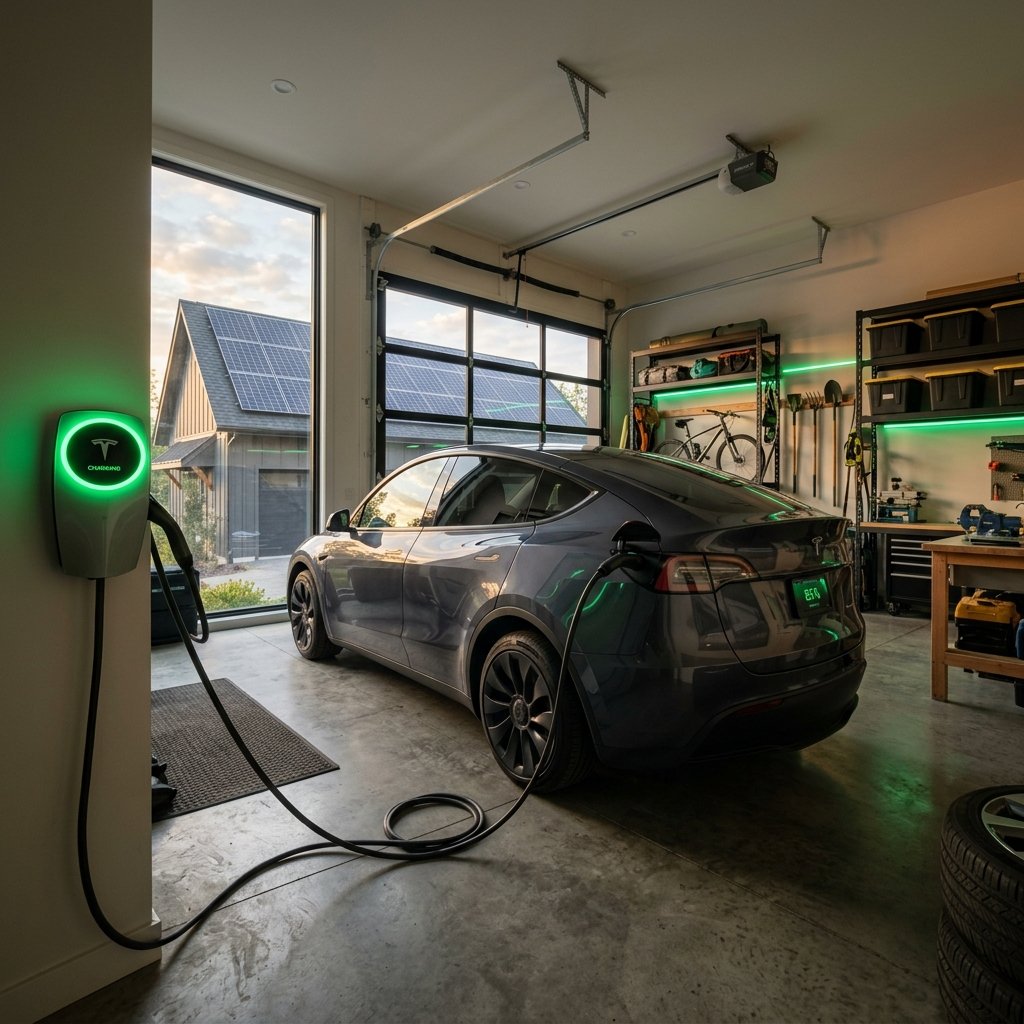
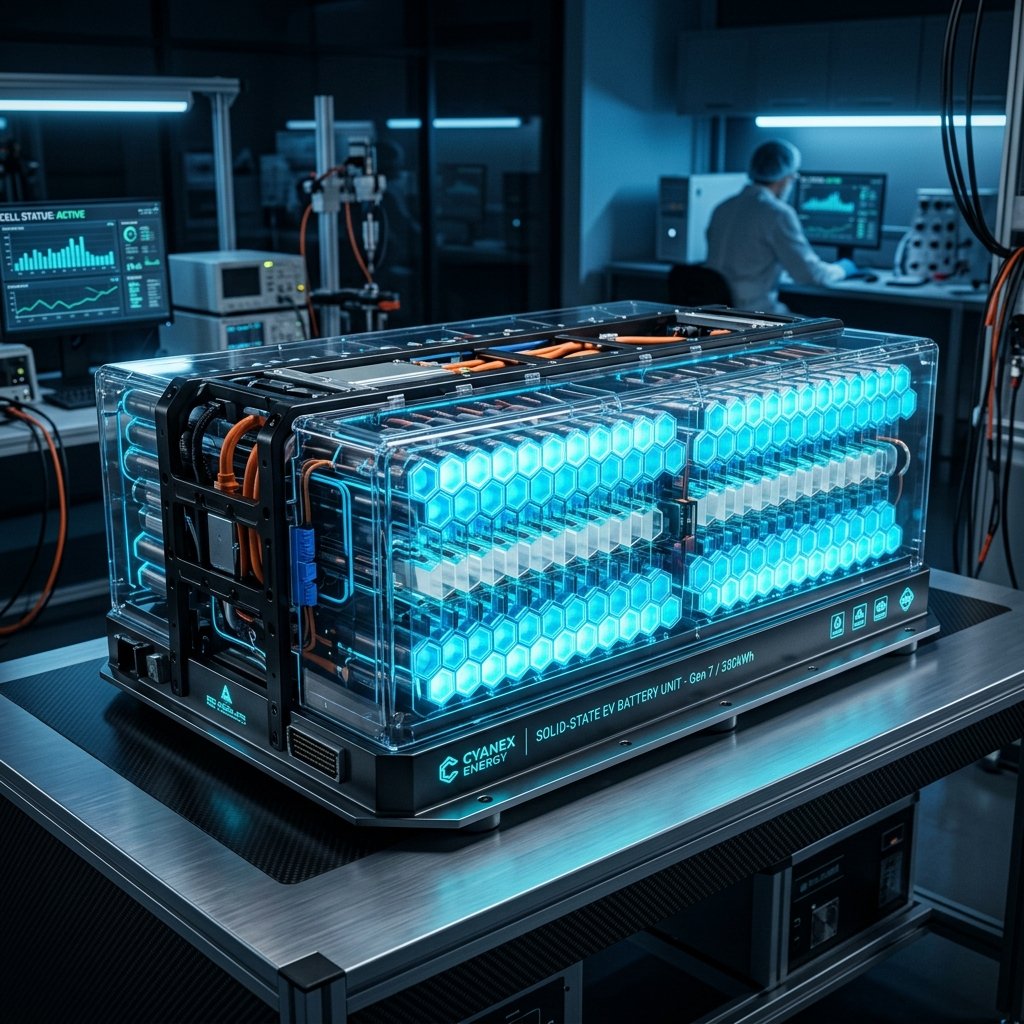
The real hero of 2026 isn’t the car; it’s the charger. We have moved from 50kW chargers to 500kW “Super-Hubs.” Combined with the commercial rollout of solid-state batteries, you can now add 400km of range in just 8 minutes. That’s less time than it takes to check your emails at a rest stop. Furthermore, the decentralization of energy via home solar means the “fuel” for your car is now being generated on your own roof.
My 2026 Final Verdict: Buy Now or Fall Behind
The era of buying a gas car is officially over. Keeping an ICE vehicle in 2026 is like keeping an analog phone in the age of the smartphone—it’s nostalgic, expensive, and increasingly incompatible with the modern world. The Sierra and Activa are just the beginning of a silent revolution that is saving you money, providing silent performance, and cleaning our cities one electron at a time.
Should I wait for 2027 to buy an EV?
No. Price parity has been reached, and incentives are starting to phase out as EVs become the majority. 2026 is the ‘Sweet Spot’ year for ROI.
How long do solid-state batteries last?
They are rated for 3,000+ cycles, meaning the battery will likely outlast the chassis of the car itself (estimate: 20+ years).
Can EVs handle the Indian summer?
Yes. Advanced active liquid cooling and solid-state chemistry have made thermal runaway impossible even in 50-degree heat.