The internal combustion engine is dying a quiet, electric death. In 2026, the global shift toward EVs has moved from a niche environmental choice to a financial and performance necessity. From Tata’s dominant Sierra EV to the silent roar of the Activa Electric, the ‘Gas Age’ is officially behind us. Here is why your next car will definitely have a battery (and maybe no steering wheel).

| Feature | Electric (2026) | Petrol (Legacy) |
|---|---|---|
| Fuel Cost (per km) | ₹0.80 – ₹1.20 | ₹7.50 – ₹12.00 |
| Maintenance | Minimal (Battery/Motors) | High (Oil/Engine/Gearbox) |
| Performance (0-100) | Under 5 Seconds (Avg) | 8-12 Seconds (Avg) |
| Resale Value | Rising (High Demand) | Plummeting (Phased Out) |
1. The Tipping Point: Range Anxiety is Dead
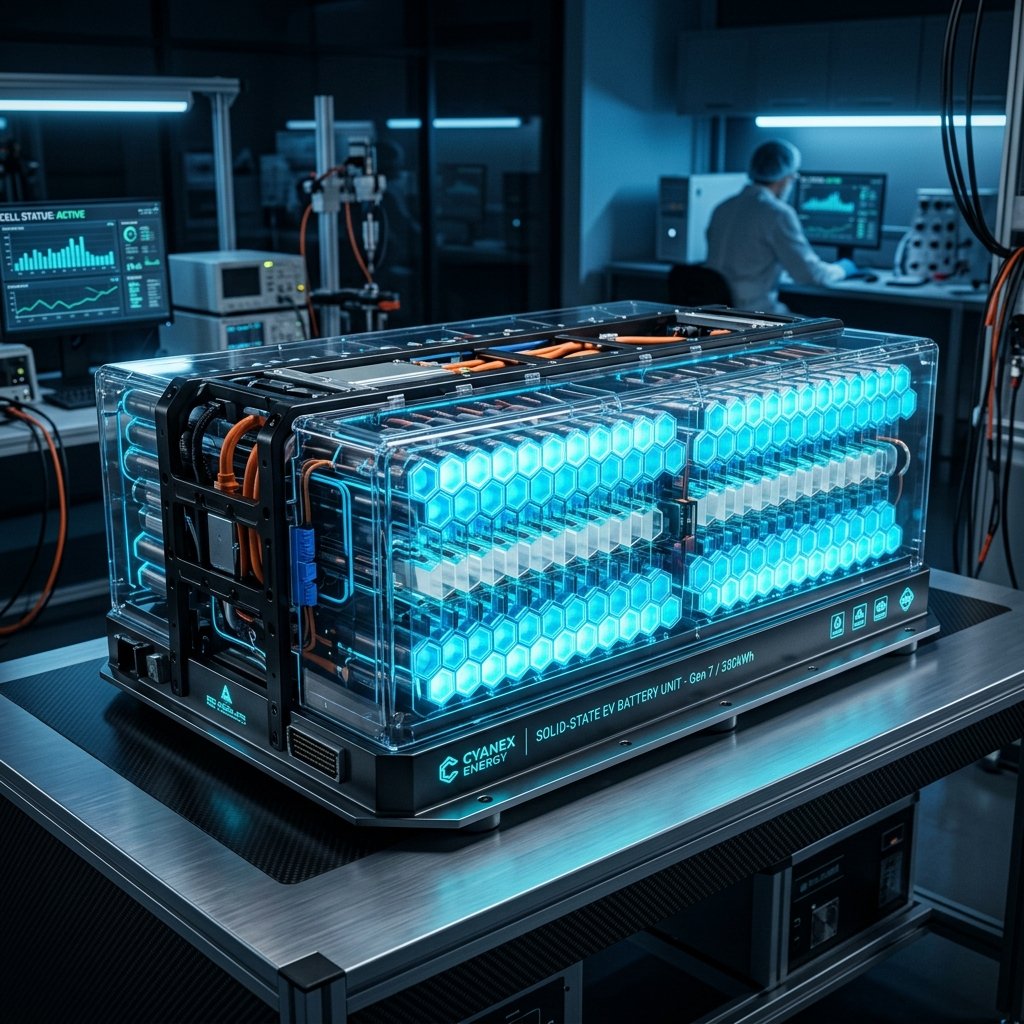
Remember when people were afraid of running out of charge in the middle of nowhere? In 2026, that fear is a relic of the past. With solid-state batteries and 500kW ultra-fast charging hubs every 50km on Indian highways, charging your EV takes less time than a coffee break. We are seeing real-world ranges of 800km on a single charge becoming the standard for mid-range SUVs.
2. The Performance Gap: No More Lag
The biggest surprise for new EV owners isn’t the silence; it’s the violence of the acceleration. Electric motors provide 100% of their torque instantly. Whether it’s a humble electric scooter or a luxury sedan, the throttle response is telepathic. Petrol engines, with their thousands of moving parts and gear shifts, simply cannot compete with the physics of electrons.
3. Infrastructure: India’s Silent Transformation
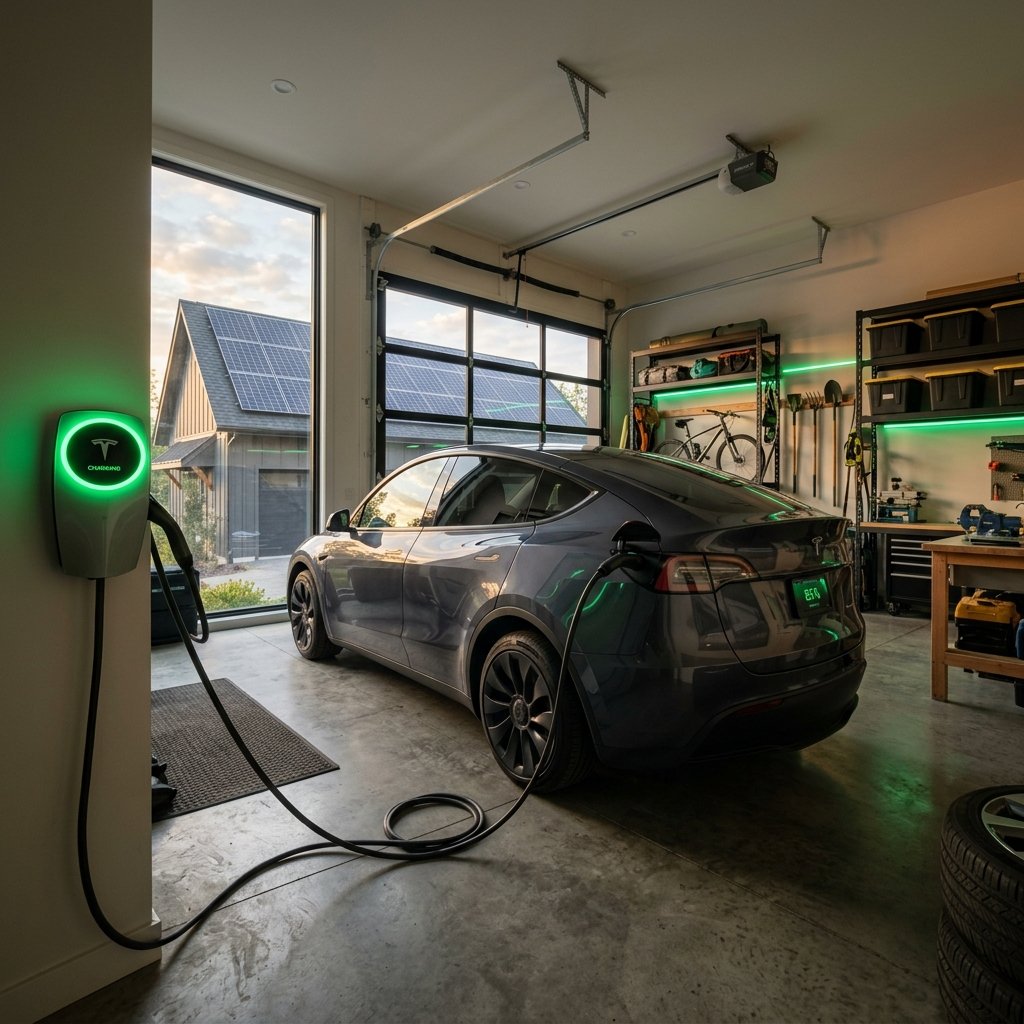
From Mumbai to Meghalaya, the charging network has exploded. It’s not just about the big malls anymore; your local KIRANA store probably has a 22kW fast-charger now. The government’s push for green energy and the massive success of the PM Surya Ghar Muft Bijli Yojana means many people are now charging their cars for FREE using home solar. It’s the ultimate hack for passive savings.
My Personal Verdict
The final verdict? The internal combustion engine had a great 120-year run, but the party is over. If you’re buying a car today, going electric isn’t just about ‘saving the planet’—it’s about saving your wallet and enjoying a superior driving experience.
Are EV batteries reliable in 2026?
Battery longevity has tripled. Most manufacturers now offer a 10-year / 2-lakh km warranty as standard.
Which is better: Home charging or Public charging?
Home charging is 3x cheaper and better for battery health, but public ‘Super Hubs’ are essential for long road trips.
Will petrol cars be banned?
Not yet, but with rising fuel taxes and plummeting resale values, keeping a petrol car in 2026 is becoming a luxury most can’t afford.